How Window Installers Contribute to Well-Planned Home Upgrades
Understanding the Different Types of Substitute Windows for Your Home
Replacement windows play an important duty in improving a home's overall capability and appearance. With numerous designs offered, home owners deal with vital selections. From double-hung to bay windows, each kind provides distinctive benefits. Comprehending these options can cause enhanced energy efficiency and aesthetic appeal. What aspects should one consider when selecting the perfect home window kind? The solution depends on discovering the attributes and advantages of each layout.
Double-Hung Windows
When considering options for substitute home windows, double-hung home windows stand out for their adaptability and capability. These home windows include two operable sashes that slide up and down, permitting enhanced air movement and much easier cleansing. Property owners value their typical aesthetic, which complements numerous building styles, from colonial to contemporary layouts.
Double-hung home windows are available in different materials, consisting of vinyl, wood, and fiberglass, offering choices for sturdiness and power performance. They can be personalized with various surfaces, shades, and grid patterns to match individual preferences.
One remarkable advantage is their layout, which allows for air flow from both the top and base, boosting interior air top quality. Additionally, the ability to tilt the sashes inward simplifies maintenance and cleansing. This mix of practicality and style makes double-hung windows a prominent option for lots of home owners seeking reputable replacement options that blend seamlessly with their home's layout.
Sash Windows
Casement home windows are recognized for their special layout, which opens up outward on joints, providing a clear view and exceptional ventilation. Homeowners value the power effectiveness and ease of procedure that these windows offer. In addition, their modern aesthetic can boost the general look of any kind of home.
Attributes of Sash Windows
Amongst the various designs of substitute windows, casement windows attract attention for their special layout and performance. These windows are rested on one side and open external, allowing for maximum ventilation and simple operation. Usually operated with a crank system, they offer a safe seal when closed, improving energy efficiency. Casement home windows been available in different sizes and can be personalized to fit different architectural designs, providing aesthetic adaptability. Their unblocked sight is an additional noteworthy attribute, as the absence of a center rail permits for a clear sightline. Additionally, casement windows are commonly constructed with long lasting products such as plastic or fiberglass, guaranteeing long life and resistance to rough weather. This mix of features makes casement windows a prominent selection for house owners.
Benefits for Property owners
While house owners seek both capability and aesthetic appeals in their selection of home windows, casement home windows offer a compelling combination of advantages that enhance living rooms. These home windows supply excellent ventilation, as they can be fully open up to permit fresh air circulation. Their layout likewise advertises power performance, as the limited seal created when shut helps in reducing home heating and air conditioning prices. Casement home windows are versatile, suitable numerous building styles, and can increase natural light in a space. Furthermore, their convenience of procedure, normally opened up with a straightforward crank system, makes them easy to use for every ages. With boosted safety functions, casement home windows additionally use assurance, making them a practical selection for property owners aiming to boost their homes.
Moving Windows
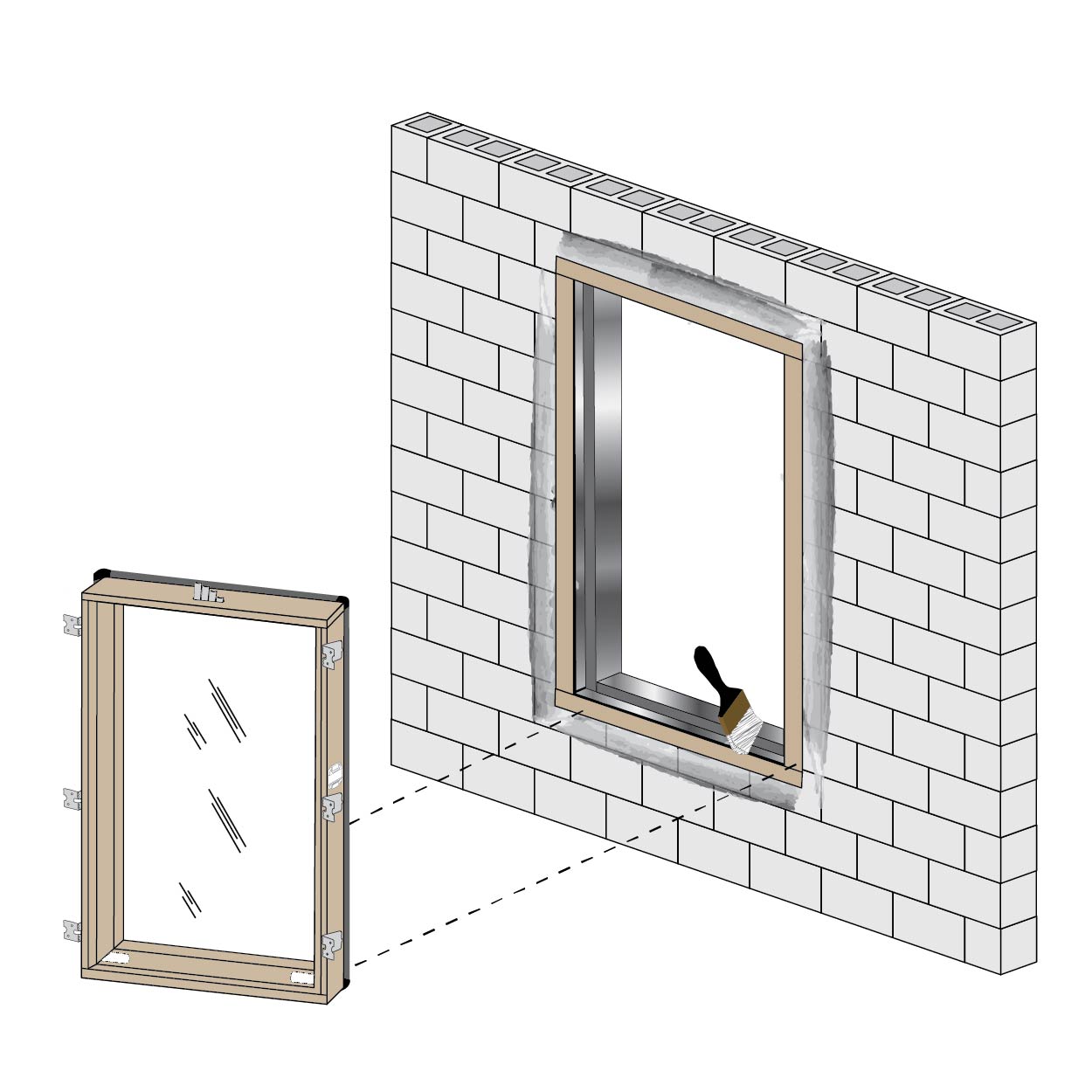
Sliding windows offer an array of advantages, consisting of ease of use and effective ventilation. When thinking about installation, it is necessary to understand specific tips to guarantee an appropriate fit and performance (Window Installers). Comprehending these elements can assist home owners make educated decisions concerning integrating sliding windows into their areas
Benefits of Sliding Windows
Gliding windows emerge as a leading challenger due to their unique design and capability when property owners seek effective and cosmetically pleasing home window choices. These windows run by moving flat on a track, allowing for very easy opening and closing without needing additional room. One significant advantage is their power efficiency; the layout lessens air leak, assisting to preserve interior temperatures and decrease utility costs. Additionally, sliding home windows provide extensive sights and ample all-natural light, right here enhancing the general atmosphere of a room. Their streamlined, contemporary appearance matches different architectural styles, making them a flexible selection. Moreover, the ease of maintenance-- commonly calling for just a basic cleansing-- includes in their charm, making moving windows a sensible option for numerous house owners looking for design and comfort.
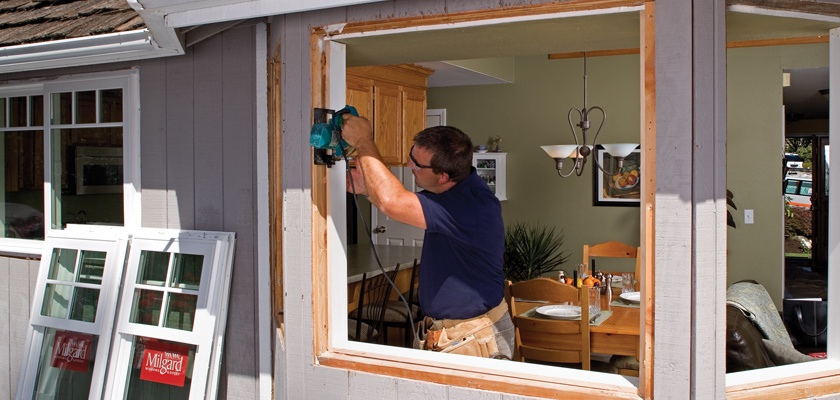
Setup Factors To Consider and Tips
Awning Windows
Awning windows, which are copyrightd at the open and leading external, provide an excellent option for house owners seeking both air flow and security from the aspects. Their design enables airflow also throughout light rain, making them excellent for environments where weather condition can be unforeseeable. These home windows are usually placed higher on walls, supplying personal privacy while still enabling all-natural light to get in.
Readily available in different materials such as plastic, light weight aluminum, and timber, awning home windows can be customized to match the aesthetic of any home. They are normally simple to run, with a basic crank system that makes opening and closing effortless.
Furthermore, their energy-efficient style can help decrease heating & cooling expenses by lessening air leak. Home owners value the blend of functionality and design that awning home windows use, making them a popular selection for boosting both the exterior and interior of a home.
Photo Windows
Photo home windows use a striking alternative for house owners aiming to make the most of natural light and improve their views. These large, set windows are designed to provide unhampered sightlines, making them suitable for mounting stunning landscapes. Unlike operable windows, image windows do not open, which enables for a seamless aesthetic and premium energy efficiency.
Typically, they are mounted in living areas, dining locations, or any type of space where a beautiful sight can be showcased. Photo windows can additionally be coupled with other home window styles to produce unique building designs. Offered in various forms and sizes, they can enhance both modern and traditional home exteriors.
While they do not give ventilation, the benefits of raised natural light and enhanced sights typically surpass this constraint. House owners should consider their certain demands and the surrounding atmosphere when picking picture home windows, as they can greatly influence the total setting of a room.
Bay and Bow Windows
Both styles enhance natural light and can make a space feel larger and more inviting. In addition, they provide opportunities for added seats or screen locations, such as home window benches or shelves. When considering replacement options, homeowners should concentrate on energy-efficient products and setup techniques to guarantee long-term efficiency. The visual appeal and practical benefits of bay and bow home windows make them an appealing choice for those seeking to boost their home's interior design while delighting in the beauty of the outdoors.
Often Asked Concerns
How Do I Choose the Right Window Style for My Home?
To select the right home window design for a home, one need to consider architectural layout, power performance, maintenance needs, and personal visual preferences. Evaluating these elements helps in choosing home windows that boost both functionality and aesthetic charm.
What Is the Average Price of Substitute Windows?
The ordinary expense of substitute windows commonly ranges from $300 to $1,000 per home window, depending upon factors like installation, product, and design. House owners his explanation should consider their budget plan and specific requirements prior to deciding.
Are Replacement Windows Energy-saving?
Substitute windows can be energy-efficient, typically featuring sophisticated insulation products and modern technologies. reference Lots of homeowners experience decreased power prices and enhanced comfort by mounting these home windows, adding positively to general power preservation and environmental sustainability.
How much time Does the Setup Refine Take?
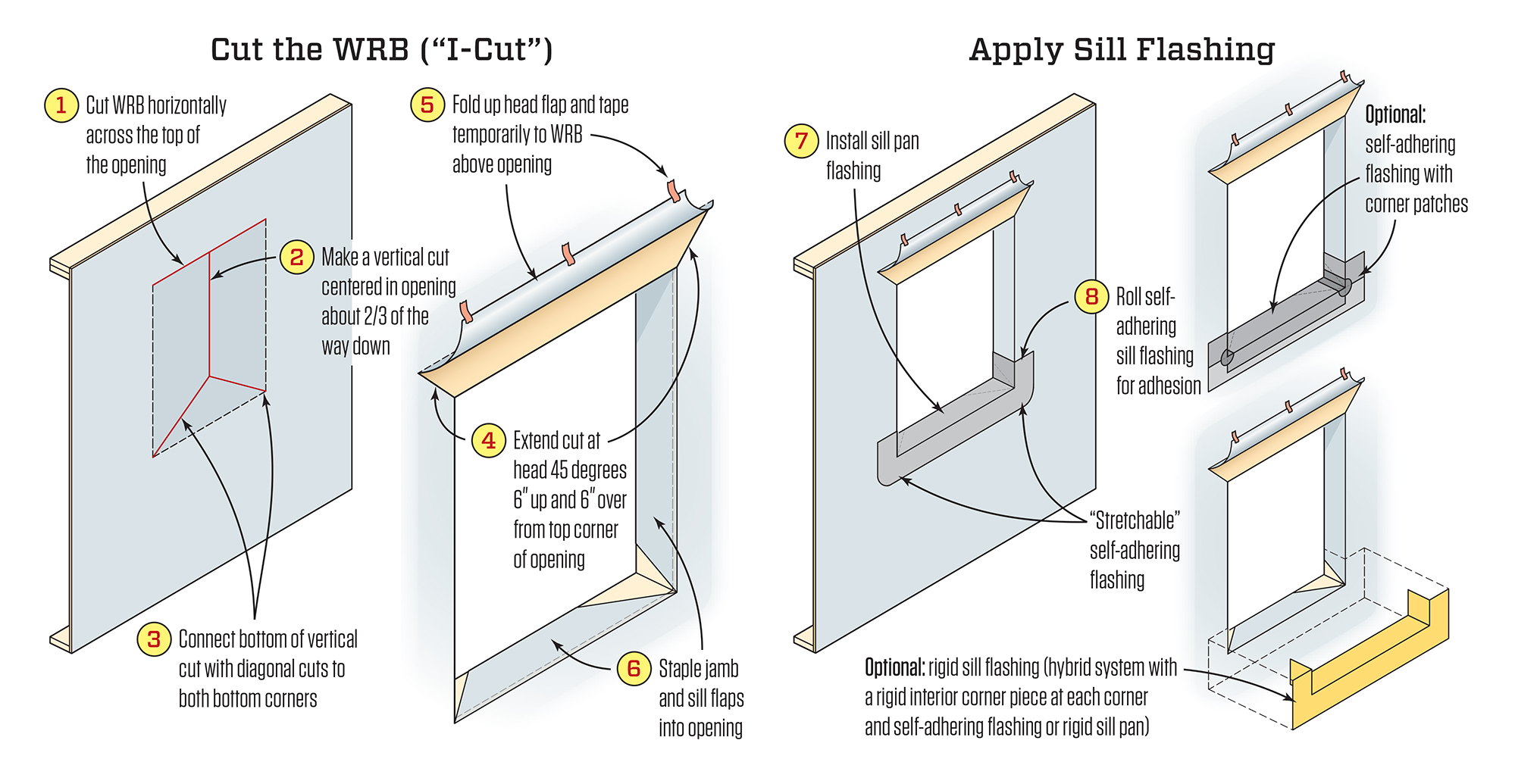
The installment procedure for substitute home windows typically takes one to two days, depending on the variety of home windows being changed and the intricacy of the setup (Window Contractor). Variables such as climate and preparation can additionally affect period
What Upkeep Is Required for Replacement Windows?
Regular upkeep of replacement home windows consists of cleaning up the glass, inspecting seals for damages, lubricating relocating components, and making sure correct drain. Additionally, checking for rot or damage in structures is vital for extended performance and appearances.
Among the various designs of substitute home windows, casement windows stand out for their one-of-a-kind layout and performance. Window Installers. While homeowners look for both functionality and appearances in their selection of home windows, casement windows use a compelling mix of advantages that enhance living areas. When property owners seek reliable and aesthetically pleasing home window options, gliding windows arise as a leading challenger due to their distinct layout and functionality. Image windows can additionally be matched with various other window designs to develop distinct building designs. The typical price of replacement home windows normally varies from $300 to $1,000 per window, depending on aspects like product, installment, and design